Breaking

Showing posts with label starting a business. Show all posts

Monday, 23 April 2018

April 23, 2018

The A-Z of Digital Marketing


If you are looking into digital marketing for your business, then you have probably heard many terms being thrown around that did not quite make sense to you. That's because the world of Digital Marketing is a huge place. So to help you on your journey, we have put together an A-Z list of a few of our favorite terms within the digital world.

A- AUTOMATION

The assistance of technology performing processes or procedures. We are seeing more and more automation within the world of technology as time goes by, which is making things easier and working as a time saving tool. If you don't understand automation yet, or implement any automation tools into your business. Now is the time to start!


B- BACKLINK

Backlinks are created by outside websites, linking directly to your website or deep link.
These can be a very good tool in optimizing your search engine visibility when done correctly.


C- CMS

Content Management System allows users to create, update and publish content on a website.

D- DATA

Data can be obtained to gain knowledge into customer behavior, audience types etc.

E- EMAIL

Email, and email marketing is an important tool in communication within your business, to both your customers, and suppliers.


F- FACEBOOK

A well known social media platform, used by many businesses around the world to connect and network.


G- GOOGLE

The number one search engine. If your business is not appearing here on Google, its time to start looking into ways to make it happen! Google features such as google ad words, makes this possible.


H- HASHTAG  #

Labels used throughout various types of social media, to help user experience when searching for a particular business, service, person or phrase.


I- INSTAGRAM

Popular social media platform in which images are the main focus, a great platform to use when trying to get a point across or showcase a portfolio.

J- JARGON

Special words or expressions used by a group that are difficult for others to understand. Probably not the best thing to be doing within your business publicly, that is if you want people to understand what you are on about!

K- KEYWORDS

Words, ideas, topics that best describe your page. Used in the digital marketing world to direct traffic to a specific source.

L- LANDING PAGE

The main entry point of a website, or particular section of a website. Great SEO implemented on your landing page is extremely important.

M- MARKETING

A simple one, yet an important one. The art of simply promoting ones business, services, website, products. This includes market research and advertising.

N- NFC

Near field communication allows smart devices to be connected, by bringing the two items closer together.

O- OPTIMIZATION

The action of making the best, or most effective use of your website tools. Implementing keywords, etc to direct traffic to your website by making it easily found on the world wide web.


P- PAY PER CLICK

A business model where a specific company places ads on your website and offers to pay a sum of money for users clicking on the advertisement.

Q- QR CODES

A machine readable code consisting of an array of black and white squares, typically used for storing URLs, or other information for reading by the camera on a smartphone

R- RETARGET

Also known as remarketing can help you keep your brand in front of bounced traffic even after they leave.


S- SEARCH ENGINE

Collation of information, website links, videos, pictures etc that can be searched for using keywords. This is the reason your key word selection is so important.

T- TESTING

Testing, A/B testing  a click, a form being completed, newsletter, a sale. Various goals business owners want to achieve and the various methods used to achieve them.

U- USER EXPERIENCE

The ease in which customers will have when using a website, and the feedback provided.

V- VERO

A new social media platform, recently introduced and set to change the game of social media.

W- WWW

We have all seen the letters www typed at the start of a link. Do you know what it stands for?
world wide web.

X- X-RAY

Yes, it is commonly used in the medical field, but also quite frequently in the digital marketing realm when you are searching for data within your social media networks.


Y- YOU

You are the most important aspect in your business, which is why we have included this one! Without your drive, determination and persistence you wont succeed.


Z- ZIPPY

Every so often its important to give your social media bio, website, blogs a bit of a Zippy. Yes this is a created word by us! But basically the point we are trying to make here, is that its important for you to spruce things up every now and then, always ensuring your customers are having the best user experience possible.


Now that you have your A-Z all sorted, its time for you to start your business. If you haven't already then check out our other blogs that may help you too:


How to: Choose a Niche Market

Shopify for beginners

Our Top Picks for Digital Marketing


Wednesday, 18 April 2018

April 18, 2018

Beginners guide to Shopify

If you are looking to start an E-commerce website, then you have probably stumbled across Shopify.com , being one of the largest web builders, with a simple "drop and drag" system, its no wonder Shopify has such positive reviews.

And the best part about this platform is that you don't need to be tech savvy to create a professional, customizable website. Here is our step-by-step guide for beginners on creating your very own website with shopify.com

Steps to setting up your Shopify website

Shopify offers a 14 day trial in which you can implement the time into customizing your website to best suit your business needs. 

Step 1: Sign up with shopify

Visit shopify.com and use the sign up form to create your account. When you have filled out this information, hit the "Create your store" button.
You will require a store name, and email address as seen below. 


Your store name should be a reflection of your business, and I would advise that you follow your countries requirements to register this name prior to creating your store. (To also ensure the name is not taken)  You will then be asked for a few more details: Address, Phone etc.

Shopify will then prompt you to answer if you are "playing around" on the website, "Have your own products" and ask "what will you sell."

Once complete, you will click "done"

Shopify Pricing Plans are as follows:

Currency: USD

BASIC SHOPIFY $29 PER MONTH 
ADVANCED SHOPIFY $79 PER MONTH
PREMIUM SHOPIFY $299 PER MONTH

Step two: Store Setup


Once completed, you will be automatically directed to your Dashboard. Here is where you can customize the look of your store, purchase domains, add Apps, track sales etc.


Step three: Theme/ Layout


This is when the fun begins, designing the look of your new store! Shopify has a large number of themes available to choose from, to ensure your website best caters to your audience.
You also don't need any coding experience to use Shopify, and the available themes come ready with various modifications available.

If you are looking at making larger changes to your theme, shopify does have the option of a design team within their "shopify experts" who can assist.

There are various themes available including a large range of Free themes/ Paid themes and you can also search by industry or category. 

Once you have selected the theme of choice from Shopify theme store you can:
  • Check functionality of theme
  • Reviews
  • View Demo
  • Apply theme to website


Step four: Publish Theme


Once you have established the theme that fits your business model, you can now click "publish theme", and don't worry if you decide to change the theme down the track, you can do that simply too!
Once completed you will be prompted to "Theme Manager" which leads me to the next step.

Step five: Editing your theme


The next step will allow you to create a website that is not only original to you, but also suits your business requirements. So using the Theme Manager you can now change things such as:
  • Logos
  • Colours
  • Fonts
  • Header/ Footer
  • Homepage slideshow
  • Functions of the site
  • Collections
  • Product pages
  • Shopping Cart
  • Checkout


Step five: Adding your products


Return to your shopify admin page now, and click "products"  from this page you will see a button marked "Add product"  You should then add in a title for your product, description, Sku, images etc and click Save.


Step six: Collections


You may want to categorize each of your products into their own collections. So to do this you will need to Set up collection (choose name for collection) Shopify will then prompt you to choose which products shall be added to this particular collection.


Step seven: Money, Money, Money


If you are setting up your online store, you probably want to be able to receive payment from your customers too! This is when you will set up your payment gateway.

In the Settings tab on your dashboard, you will find the payment setup. Shopify has a few options for this such as Paypal, Shopify Pay (automatically set up). But you will need to choose the best payment option for you.

Ensure you look at the various fee's associated with each method, cards accepted and countries.


You are almost ready for your website to go live. Before you do there are a few things you need to check off your list and all of these can be found in the Settings Tab.

Taxes: Depending on your country requirements you will need to select the Tax / GST applicable.
Shipping: Here you have the option to set shipping prices, worldwide/your country, based of size, weight etc.
Double Check: Preview your website, to ensure everything looks the way you want it to prior to going live.


Step eight:  GO LIVE!!


In theory your website should be complete and ready to go live. Now you can simply publish the website. Keep in mind that without purchasing a domain name you will be using the standard one provided by shopify.com and this will look something like:

yourcompanyname.shopify.com

You may want to purchase a domain to add to your website prior to going live.


Monday, 16 April 2018

April 16, 2018

Advantages of Social Media Marketing for your Business


Social media has quickly become one of the largest go to tools when looking towards promoting your business online. Gone are the days of long struggling hours and door knocking to get your brand recognition.
What if you could spend as little as 7 hours a week online and increase your brands awareness, traffic and of course sales! 

Many businesses now are claiming that social media marketing has really changed their business and the way they look at advertising.  And its safe to say that social media marketing SHOULD be a large part of your marketing strategy when building your initial business plan.

O.K so its pretty easy to say that social media is an important and valuable tool to use within your business marketing, but you are not alone if you are the type of business owner that has no idea where to start or how to apply these skills to your business.

Before explaining the do's and dont's of social media marketing, lets establish the advantages of using this magnificent tool within your business structure.

1. Increased brand awareness
Yes, with the millions of people scrolling through their news feeds on a daily basis, commenting, liking and sharing posts they find engaging. Its no wonder that increased brand awareness is on this list. This is something that all business owners strive for. Because without anyone knowing you exist, how will they shop?
So creating engaging, interactive content and representing your brand to the best of your ability is key!


2. TRAFFIC
With millions of people logging onto their social media accounts on a daily basis, the target market in which is sitting at your doorstep is something that would once seem unattainable. 
It is very likely and most certainly possible to target 1, 2, even 3 million people a day using social media marketing. Which should always direct to your place of business, be it a website, store, etc. 

3. Improved Search Engine rankings
Now while social media is our key focus here today, lets not forget that you will need to put in effort outside of these platforms to keep your search engine rankings up. Implementing a strong SEO campaign, landing pages, and key words can all fuel your ranking. But yes, social media does help too. The more people sharing your content, liking your content and even speaking about your brand is being picked up by search engines all the time. Therefore can slowly, but surely increase your rankings.


4. Conversion rates
With increased visibility, your business is now gaining opportunities on a daily basis to grab a conversion. Every post, image or link can drive traffic towards your business website and increase traffic with possible conversions.
As mentioned above, if your content is worthy of a comment, like, share or even a tag, you are putting yourself on a digital map which can lead to many conversions.

5. Customer rapport
With features like "recommendations, tagging, hashtags and even comments" you're potential customers can see what others have said about your business. Rated you and even sometimes the bad points towards your business. So its important even when receiving negative feedback, to address this accordingly and always maintain a professional attitude. 
Although the internet is an extremely large place, many ears and eyes are watching your business at all times.


6. Online Insights
The online insight feature allows you to have a feel of the data based around views, clicks and conversions to your social media sites and website. By analyzing specific age groups, countries, interests to provide you with a detailed information sheet at the end of each week or month. This tool can also be used to gain feedback on which posts are working, which products are showing the most interest, and the amount of website clicks you are receiving from specific sites. 


7. Cost effective
Of course, every business owner wants to save costs wherever possible. Well social media is FREE! Yes, there are upgrades, automation businesses, and of course paid ads which i believe add a tonne to your business, however if you are a start up or trying to cut costs, you can most certainly still get a huge benefit from social media at no cost at all.


Now lets get started!!!

There are many different types of social media that can be beneficial for your business, of course we have the well known popular ones. But below are a list of social media outlets in which we find useful for marketing your business.


  • Facebook
  • Twitter
  • Instagram
  • Snapchat
  • Pinterest
  • Tumblr
  • Vero
  • YouTube
  • WhatsApp
  • QQ
  • WeChat
  • QZone
  • Google+
  • Skype
  • Viber
  • Line
  • LinkedIn
  • Telegram
  • Reddit
  • FoursSquare
  • Badoo
  • Myspace
  • Stumble Upon
  • The-Dots
  • Snap Fish

Now you may be thinking "I don't have the time to create and manage accounts for all of those" Well here is the good news, you don't have to create accounts on each and every one of those social platforms, have a breeze through and get a feel for which would be suitable for your business.
Now if you choose to sign up to all of these, you can of course try automation of some of your social media sites, which can significantly cut your time down.


Another key factor in social media marketing is E-Mail marketing, another huge benefit of social media marketing being a networking tool, is that you're able to gather information such as email address', and customer requirements. Thus being able to send out email mail outs with information to suit the customers needs.

Again like the social media sites, there are hundreds of companies you can use for this type of software.  Our favorites though are:  Ninja Outreach, Mail chimp  and Benchmark.


Still confused about using social media for your business? Regardless of the type of business you are currently running, I am sure we can agree with one key point. And that is that the most important thing in running a business is making sales!  
These techniques are not going to make your sales change dramatically overnight.
There are several key points that go into actually making these conversions. They are:

  1. Engaging content is key! If you saw this content elsewhere, would you share it? like it? or tag your friends? If not.. Then look for content that IS engaging.
  2. Connect with followers: If you put a post up that has an image of a book with a caption that reads " Buy this book now for $29.99" you are more than likely not going to gain the conversions you had hoped for. However if you're post is engaging, and customers can connect or relate with the content. You are one step closer to the conversion. 
  3. If you can get a customer to click on your website, they SHOULD leave with a purchase.  If not? Time to evaluate the reasons.
  4. SEO: Search engine optimization should become your best friend, there are a lot of techniques that go into a fantastic search engine ranking, and these are all things you should be constantly on the look out for when running a business. Are you using backlinks? Are you listed on directories? Do people know your brand exists? If not, then fix it. 


All in all, there are plenty of ways to gain traffic to your website. That is why you are here right? We are all looking for the perfect answer to the question " How can i get more people to my website" And the answer is pretty simple....

Work for it.

If it is the clicks your website is lacking, then start looking into more ways to advertise online, watch videos, read articles and gain as much knowledge as you possibly can from others in your field.

If it is conversions you are struggling with, then you need to find the reason why. Are your products priced according to market values? Maybe people are not happy about your postage costs, or just don't like the products you are selling.
Now this does not for a second mean you have to change any of these things. If the product you are selling is something you are passionate about, or just cannot possibly lower your costs. Then its time to start researching OTHER ways to entice customers to purchase, and get over that line.

We have mentioned this many times before, but for those who haven't stumbled across us before we will say it again "Knowledge is key"

And social media marketing is the first step to connecting and networking with customers, business owners and like minded people that could all point your business in the right direction of traffic, and most importantly Conversions.


Is there a specific thing you are struggling with in your business? We would love to hear from you. 


Similar posts you may like:


Wednesday, 11 April 2018

April 11, 2018

How to: Drop shipping website


Starting an E-commerce store, whilst exciting can also be a very time consuming and lets not forget expensive time for any new business owner. Lets take a quick look at the steps of a traditional e-commerce store owner:


  • Find your niche
  • Register business name & purchase domain
  • Find suppliers
  • Order samples
  • Test samples
  • Order products (bulk)
  • Create a website
  • Add products individually
  • Set prices 
  • Publish website
  • Advertise
  • Hope you get sales.
12 steps, and that's just our short version of what is required. Imagine adding in all the time spent on search engine optimization, product knowledge, advertising, and of course the expenses of packaging, labels etc.

Sounds exhausting right. When you are starting an E-commerce website for the first time, this can be extremely risky too. Having spent  thousands of dollars of stock that may just sit in your warehouse without selling is not the dream you had when starting your business.

So what if things could be easier. Lets cut those steps in half to say:
  • Register business name & purchase domain
  • Register for drop shipping company of choice
  • Select products
  • Advertise
Yes i know, you're probably jumping out of your seat asking where you can sign up. But let me tell you a little more about the wonderful world of drop shipping first.


What is drop shipping?


Drop shipping is the act of providing (goods) by delivery from the manufacturer, direct to the retailer or customer. Therefore you no longer need to hold ridiculous amounts of stock. Quite the contrary, as you do not need to hold ANY!

How it works


You select products > Products appear on your website > Customer purchases products > Products are ordered directly from the manufacturer > Manufacturer sends directly to your customer > You get paid

Where do the products come from?


Products come directly from the manufacturer, which are usually the direct warehouses your products are made in. 

Can I set my own prices?


Manufacturers will have prices set (cost) in which you will be "paying" for the items. You can then select the price you wish to charge customers for these items. Depending on the platform you use.

Do I have to pay for stock?


Technically yes, you are paying for stock. However you don't pay until a customer orders a product, in which the original cost of the stock comes out of the received price from the customer.

How much does it cost to sign up?


There are many different sites available, in which have different features, costs etc. Below we have listed a few of our favorites with details.

Steps to starting a drop shipping website:

Step 1: Choosing your Niche

When starting any business, whether it is an online E-commerce site, a physical store or a service. It is important to choose a niche which interests you, or you have background knowledge on. If you are having trouble figuring out which niche would best suit you, then have a read of our "how to choose your niche" blog. (Click here)

Step 2: Business registration & domain

You will need to register the business name subject to your countries regulations, and purchase a domain name for your website. There are many websites that you can create a domain at a very affordable price, starting at around $1.00 Crazy Domains is a well known website for doing this, and is the preferred choice we use when creating any of our drop shipping sites.


Step 3: Choosing a drop shipping company to use

There are many different companies you can use to make things easier for you when starting a drop shipping company. 


Shopify + Oberlo 

Shopify is the number one E-commerce website builder in the world at present. And have recently teamed up with Oberlo to create a drop shipping option.
To use this system you simply register for a shopify account, which you will require to make your website. You then connect Oberlo using the apps provided.    
Oberlo is FREE to use with your shopify store, and has a seamless system that is simple for everyone. 


To use oberlo: 
Open oberlo dashboard
Search products
Select products you wish to feature on your website
(Products will automatically be added to your shopify store)

Oberlo also offers the option to use the recommended prices for each product. Which is fantastic for those who may not understand how much to up mark their products.

Another well known drop shipping company is Alidropship  which has a similar concept.


Step 4: Advertising/ Marketing

Once your website is complete, you simply publish this and get ready for the marketing. You can read our top picks for digital marketing here. But in the meantime, here are a few examples of ways you can advertise your new business.


Now that you have the steps for starting a Drop shipping company, you have the first steps to the little secret that is taking the E-commerce world by storm.

Want to see an in depth tutorial on how to use any of the above programs? Simply leave us a comment and let us know!

Thursday, 5 April 2018

April 05, 2018

How to: Create a Business Plan


You may of heard business owners talking about a business plan, and the importance of creating one prior to starting your business.  A business plan is a formal statement of business goals, reasons they are attainable, and plans for reaching them. It may also contain background information about the organization or team attempting to reach these goals.

In a more simple term, a business plan is a road map or guide of your business goals and how you plan to achieve them.


Why is a business plan important?


A business plan is essential for the success of your business, it will provide direction and keep you on track. It also comes in handy if you require financial help to obtain your business goals, as this is presented to the bank at time of loan application. Investors will often ask to see a business plan also.


How do you create a business plan?


A business plan is broken up into a few sections. But prior to starting the business plan, you want to jot down a few simple tips

  • Decisions: Your business plan will require you to make some decisions in regards to the direction of your business, structure and marketing strategies. So its best to have some ideas of how you will arrange this before hand. This may mean doing your homework.
  • Who is the plan for:  Will you be using your business plan as a simple guide for you to follow, will this be presented to a bank or investor.  If third parties are involved, you will need to cater to their needs within your business plan also.
  • Take your time:  Don't expect to start and finish your business plan in one day, this is a detailed document that requires time and attention, a business plan will very easily become one of your most valued assets within your business, as you've got a guide to follow, and a way of ensuring you are staying on track. So take your time, and include all the relevant information.
  • Ask for help: Sometimes it can be difficult to answer all the questions. This is where asking for help comes in, do you have a business mentor, Family member or friend who can assist you with the writing of your business plan. If you are not confident at all in creating the structure of the plan alone, there are many companies that offer at home guides and tools to create a business plan using a template.
  • Figures: Now we can all sit there and make up figures in relation to our business, but is it really beneficial? Well not at all. You need to determine the realistic expenses of your business, and clearly state if these are actual figures or estimations.
  • Review: Always review your work, business plans are used to gain confidence from outside parties that you're business is viable. Mistakes or errors will only deter them from seeing your potential as a professional business.


What to Include in a business Plan?


Your business plan requirements will vary depending on the type of business, however below are a list of things that could be included within your business plan:

  1. Title Page:  General Information on your business
  2. Business Summary: A short overview of whats to be included within the business plan
  3. Management/ Operations Plan:  Covers details like structure, registrations, premises, products/services.
  4. Target Market:  Where you will provide the information in regards to your knowledge about your target market, here you can touch base on some marketing techniques and strategies.
  5. Predictions: Your future predictions, goals, and milestones.
  6. Financial Plan: How you will finance your business, outgoing costs or expenses, projections.
  7. Documentation: Any documentation to support your business plan.


Once your business plan is complete, you can put it away. But not too far from reach because you should regularly check that you are on track, adjust any changes accordingly and generally use this document to track your progress in comparison to your initial predictions.

Business plans do change quite frequently, and your initial plan is just used as a guide to get started.


Related topics:


-Haven't found your niche yet? Visit our "how to find your niche" blog 


Sunday, 1 April 2018

April 01, 2018

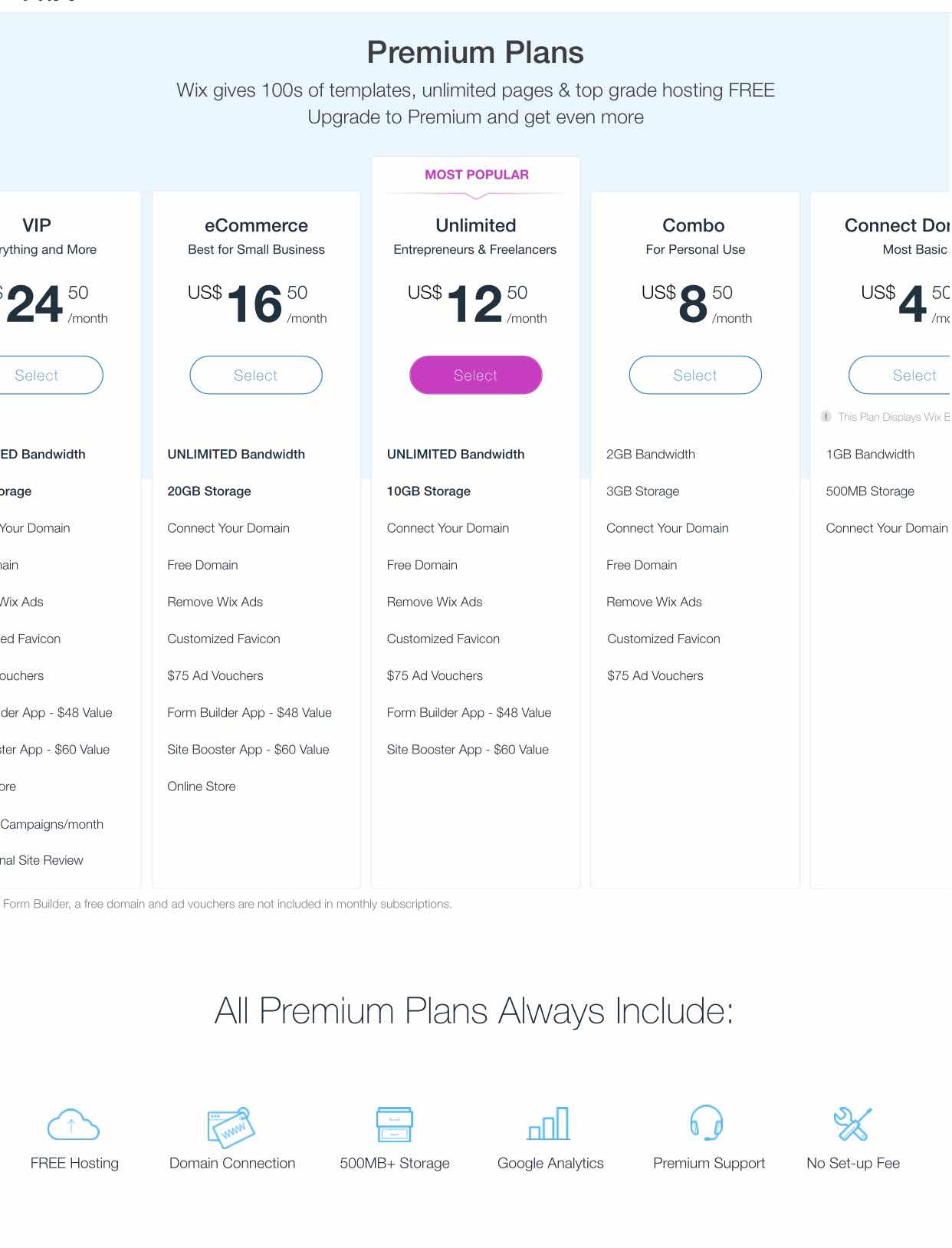
How to: Create your own website using Wix


How to create a Wix website

"It all starts with your stunning website" claims  website company Wix who offer an easy to create, DIY styled website. Wix provides a template in which you simply change headings, information, images and tech. This website claims to be a breeze for newbies.

So you have just thought of the perfect business idea, and now its time to see it come to life. It all may seem easy, but you really just need a step by step guide on the basics of setting up a  Wix website. 


Step 1- Sign up to Wix for free. All you need to sign up is an email address, and of course have your business name ready too.


Step 2- Choose a template that fits your needs. There are many templates available, and you can select these based off the category of your needs. 


Step 3- Customize or add anything like text, images etc. The Wix platform, uses a easy to understand drop and drag system, so once you have selected the template in which you are happy with. You can simply change the preset information and images. Wix also provides quite a large amount of stock photos available for you to use to customize your website to suit your business needs. Don't forget to change the buttons, header, and footer.


Step 4- Publish your site to share it with the world. When you are happy with the finished product, you simply click "publish" in the top right hand corner of your screen. This will then set the website to "live" and potential customers can now see your site on the world wide web.


Step 5- Manage your entire business online with domains, email marketing etc. There are many options available to suit your business needs, and using the wix platform is free, however if you are an online store, selling items you will need to purchase an E-commerce package. This allows you to add product to your site that is ready to sell. There are various packages available to suit your requirements.  


Ready to create your website? Click Here  and get started today.


Still a bit stumped on the information required to start a business? We have created a very simple 5 step process which explains our top picks for the 5 Fundamentals of business. You can read this blog too by simply clicking here 


*Prices listed above are as of March 2018. These are subject to change, at the discretion of wix via  terms and conditions

April 01, 2018

Why your Mindset Matters in business


Today we are talking mindset, this is a common topic among many well known business people and motivational speakers. So what exactly is "mindset"


Mindset: the established set of attitudes held by someone. 

You may now be asking yourself, "how in the world can this effect my business"  It comes down to the frame of mind you set within yourself to maintain a positive balance between the attachment to your business and strategy. In order to build a sustainable business you must set the infrastructures of your business in a way that is strategic. As we know, business, marketing and the general industries are constantly changing and evolving, therefore you need to be frequently adjusting your mindset to match.


So how exactly do we adjust our mindset, and what are the key indicators to look out for in the ever changing industry to adapt to.


Adjusting your mindset

  1. Acceptance:  The first key in adjusting your mindset is accepting the fact that your thinking needs adjusting to begin with. This is more often times than none a harder concept to grasp. Look at the situation at hand, and if things are not playing out the way you had imagined, it may be time to start adjusting your mindset.
  2. Identify: Look at your current mindsets when placed in various situations, to identify the key elements that need to change. These could be things like; Self doubt, negative thoughts, lack of motivation. All mindsets in which limit your potential to grow.
  3. Take action: Now that you have identified these negative mindset traits, it is time to take action and do a complete 360. Now i'm not saying this will be an overnight cure, and you will never have negative thoughts again. It happens, to everyone. It's about training your mind to disregard these thoughts and replace them with positive and motivational thoughts instead.  A great technique to flip these thoughts is simply self reassurance. Write down a list of 5 key aspects that you are proud of or successful at, now read these out to yourself on a daily basis. First thing in the morning tends to be a good time, as it is always beneficial to start off your day with positive affirmations.
  4. Why:  Identify the reasons you are wanting to change your mindset, understanding that it can be a long process and at times we need this "why" to come back to and in turn also kick start the motivation again


Now it is safe to say that changing your mindset, and having motivation alone will not suffice in the big scheme of things. Determination, consistency, goal setting are all extremely important in running a business. 
Creating the reason, your "why" gives you the motivation to persist even through the more difficult times in life, this is where the motivation really begins.

If you are not willing to put in the hard work and effort, then no advice provided to you from a guru, a book, a life coach or a friend will ever be beneficial to you.

Your life starts with you, and in order to succeed you need to truly believe that.


Want information on our top picks for Mindset changing courses, books, audio. Subscribe to our blog to be notified of our next post.

Friday, 30 March 2018

March 30, 2018

The 5 fundamentals for starting a business

So you have thought of a show stopping idea and now you want to start a business. But have NO idea where to start?

The first steps to creating a successful business begins with a simple idea, this may be something that you have been dreaming of on a daily basis for years now, or simply popped into your head last night. Regardless you are ready to rock and roll, and need the basics.

With times changing so rapidly and internet becoming the main advertising tool of the future, you are probably going to need some guidance. Traditional methods of course still apply, but how on earth are you meant to run a healthy business without the foundations set in place first. 

Whatever your situation might be, you need a structured plan of action. Which of course brings us to the first fundamental of starting your business.


Passion

 Slow and steady wins the race, have you ever heard this term? Well that's because it seems to be the step that most first time business owners lack. Sure it can be exciting, starting your own business; And we are sure you are extremely eager to move forward and get selling! BUT first you need to figure out if you have a true passion for what you are about to venture into. Having a passion for the product or service you are about to promote is important for the future of your business. I mean, why would anyone buy off you, if you don't believe in the product/service yourself? But this alone will not suffice, having knowledge of your industry and doing research is a key tool to implement to ensure the longevity of your new venture.


Business Planning

The single most important tool in creating a business is having a plan. You may of heard people talk about a "business plan", well this is an overall document which highlights your company predictions, and the actions required to get you there.

Some of the things you will generally go over in your business plan are:
  • Target Market
  • Marketing 
  • Finances 
  • Strategies
and any other predictions you may have about your business. It is so important to remember that your business plan will change a number of times over the duration of your business. The initial setup of this document will ensure you have direction. Business plans are often used when approaching banks for business loans, or investors. This is the perfect place to SELL your business, explain the ins and outs of what you have to offer, and the exact method you will use to get there.

It is also of course a great tool to look on as the months go by, to analyse if you are on track.

Strategy

You have no put together a business plan, and it is time to execute. By now the information you have collated should potentially spell out the exact strategies your business will follow, however again this can change like the wind. 

The sister to strategy and the main tool used to create it is research. A term that many newbies dread to hear, yet it will become your most valued tool over time. Knowing your competition, and what they have to offer is extremely important, thus helping you decide how you plan to execute it better!

Or you may simply want to learn more information in regards to the product/service you are offering to better implement your ideas.

Knowledge is like gold, especially in the business world. You can never have too much information.


Finance

Business costs money. You may be looking at a low start up cost, but it is time to start thinking about the places you may potentially spend your money within this business.
Some examples are:
  1. Stock: Will your business hold stock, and if so, how much? Clothing business' for example will need to hold items in various sizes. Some suppliers also have minimum order quantities.
  2. Business Registration: Depending on your countries requirements, you will need to register your business name.
  3. Website, Domain and hosting: Most business have a website, and there are various ways you can go about this. Are you going to hire a web developer to create this for you? Or will you use the "do it yourself" websites. 
  4.  Yes, there are many ways to promote your business for free. But if you are looking to scale the business, you will eventually be paying for some form of advertising. 
Initially you will need to understand the start up costs of your business, and how you will pay for these. Will you use your saved cash, or fund this money, possibly a loan from a bank or an investor?
All things that you will need to determine prior to launching your new company.

Marketing

The world of marketing is a giant land of colorful advertisements, actors and songs right? Wrong.
Without marketing, people do not know your business exists. And along with your website comes the first type of marketing, that you may be oblivious to. That is SEO otherwise known as Search Engine Optimization. In other words, you are optimizing the content on your website to become easily searchable on the internet. When people use search engines such as google, and they are looking for your products/services; you want to be the first website to pop up.

Free advertising: There are many places you can advertise your business for free, social media being the number 1 source of it, forums, directories, and word of mouth being other popular sources.

Paid advertising: When you have tried the free stuff, and its just not cutting it. You will look at turning to paid advertising. Social media websites such as Facebook, Instagram, Twitter, Youtube all offer paid advertising options. Another huge source of traffic comes from google searches as mentioned. Which is where Google Adwords comes in. They offer a paid advertising technique to help you scale your business adverts to a larger audience.

For local business the key may be simply advertising in your local newspaper. But when you start tapping into world wide services you will need to target large volumes in short periods of time.


To summarize everything; the most important fundamentals to starting a business are knowledge, dedication, consistency and planning. A successful business does not always happen over night, and having a clear knowledge of your industry and exactly where you are going as a business, is the first step to success.


We will be providing in depth articles in relation to each of these topics, and our best picks of websites you can use to start your business. So to get notified of the releases of these, simply hit the subscribe button.